November 25, 2026
Vehicle ownership requires consistent attention to mechanical needs. Automobiles consist of complex systems functioning in unison. When components lack care, friction and heat cause severe damage. Many drivers ignore warning signs until total failure occurs. This pattern creates financial burdens. Preventative care offers a proactive approach to vehicle management. By addressing small issues in the beginning stages, owners avoid catastrophic breakdowns. A disciplined schedule protects the investment.
The financial difference between preventative care and crisis management is immense. Routine servicing costs a fraction of major component replacement. Ignoring a minor leak leads to engine seizure. When components fail due to negligence, the resulting auto repair bill causes immense strain. Consistent monitoring preserves mechanical integrity. Proactive maintenance serves as a shield against breakdowns. Cars require continuous upkeep. Well-maintained vehicles deliver reliable transportation.
Checking Vital Fluids to Prevent Engine Failure
Fluids serve as the lifeblood of any combustion engine. Motor oil lubricates moving metal parts to reduce friction. Without fresh oil, metal grinds against metal. This friction generates extreme heat, warping components. Oil changes remove dirt from the system. According to Consumer Affairs, passenger vehicles and light trucks in the United States have an average age of 12.5 years. Reaching this milestone requires fluid management.
Coolant systems regulate extreme temperatures generated during combustion. Radiators require the correct mixture of antifreeze and distilled water. Degraded coolant loses the ability to prevent boiling. A malfunctioning cooling system causes the engine block to crack. Replacing a cracked block demands immense labor and expensive parts. Flushing the radiator removes rust and scale deposits. Temperature regulation remains critical for engine survival.
Transmission fluid provides hydraulic power for gear shifts. Dark transmission fluid indicates internal component wear. Ignoring this degradation leads to slipping gears and delayed engagement. A complete transmission rebuild ranks among the most expensive auto repair jobs. Servicing the transmission replaces degraded fluid with fresh lubricant. This prevents internal clutches from burning out. Preventative fluid care extends transmission life.
Brake fluid and power steering fluid require periodic inspection. Brake fluid absorbs moisture from the atmosphere. This moisture lowers the boiling point and compromises braking power. Flushing the brake system restores the hydraulic pressure necessary for stopping. Power steering fluid enables effortless steering wheel rotation. Contaminated steering fluid damages the steering rack. Replacing vital fluids prevents complete system failures. Fluid maintenance forms the foundation of vehicle longevity.
Replacing Worn Filters to Maintain Component Efficiency
Vehicles rely on assorted filters to block contaminants from entering sensitive systems. The engine air filter prevents dust from reaching the combustion chamber. A clogged air filter restricts oxygen flow. Engines need precise oxygen levels to burn fuel with efficiency. Restricted airflow forces the engine to work with greater effort. This effort reduces fuel economy and strains parts. A clean air filter promotes optimal performance.
Oil filters trap harmful particles circulating within the engine block. As oil flows, it collects soot and metal fragments. The filter captures these elements before they cause internal scoring. An overloaded filter allows unfiltered oil to bypass the element. Contaminated oil acts like sandpaper on delicate engine bearings. Significant bearing wear necessitates an extensive auto repair procedure. Installing a fresh oil filter prevents abrasive damage.
Fuel filters block sediment and rust from reaching the fuel injectors. Fuel tanks accumulate debris over years of operation. The fuel pump pushes gasoline through the filter before it enters the engine. A restricted filter forces the fuel pump to labor under stress. Fuel pumps fail before their expected lifespan when pushing against severe clogs. Replacing the fuel filter protects the expensive pump. Preventative replacement saves drivers from stalling.
Cabin air filters clean the oxygen entering the passenger compartment. While not critical to engine function, this filter protects the climate control system. A blocked cabin filter restricts airflow from the blower motor. Blower motors overheat when pushing air against a dense clog. Replacing the blower motor involves dismantling the dashboard. Clean cabin filters prevent dust accumulation on evaporator coils. Comprehensive filtration protects diverse vehicle systems.
Inspecting Brake Systems to Ensure Driver Safety
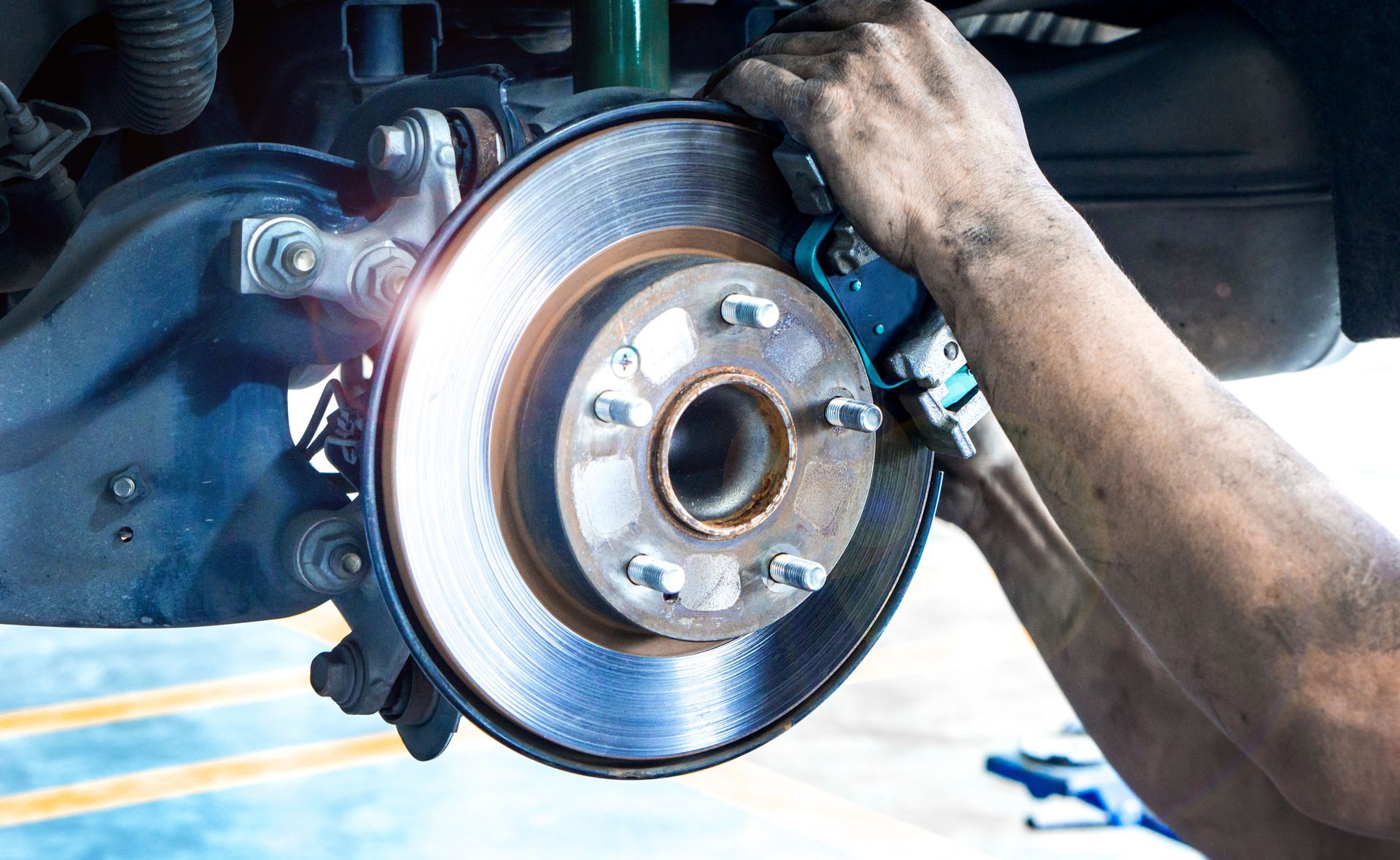
The braking system represents the most critical safety component. Brake pads rely on friction to slow the rotating rotors. Every application of the brake pedal wears down pad material. Operating a vehicle with depleted brake pads causes metal backing plates to contact the rotors. Metal-on-metal contact creates deep grooves in the rotor surface. These grooves ruin the rotor and compromise stopping ability. Timely replacement keeps costs manageable.
Brake calipers house pistons that squeeze pads against the rotors. Caliper slide pins require sufficient lubrication to function. Dry slide pins cause the caliper to bind and apply constant pressure. Constant pressure generates intense heat and ruins the wheel bearing. The intense heat boils the brake fluid. A seized caliper creates a dangerous driving situation. Routine brake inspections identify binding calipers before catastrophic damage occurs. Lubrication keeps the mechanisms functioning.
Brake rotors warp from excessive heat and rapid cooling. Warped rotors cause severe steering wheel vibration during deceleration. Mechanics use micrometers to measure rotor thickness and runout. Rotors falling below the minimum thickness specification require immediate replacement. Thin rotors lack the mass to dissipate heat. Excessive heat leads to brake fade and extended stopping distances. Proactive rotor management guarantees consistent braking performance.
Brake hoses and lines carry pressurized fluid to each wheel. Rubber brake hoses degrade from exposure to road debris. Swelling or cracking indicates impending hose failure. A ruptured brake line causes complete loss of hydraulic pressure. A vehicle unable to stop presents a massive liability. Fixing a burst line is an emergency auto repair that disrupts schedules. Replacing weakened hoses secures hydraulic integrity.
Monitoring Battery Health to Ensure Reliable Starts
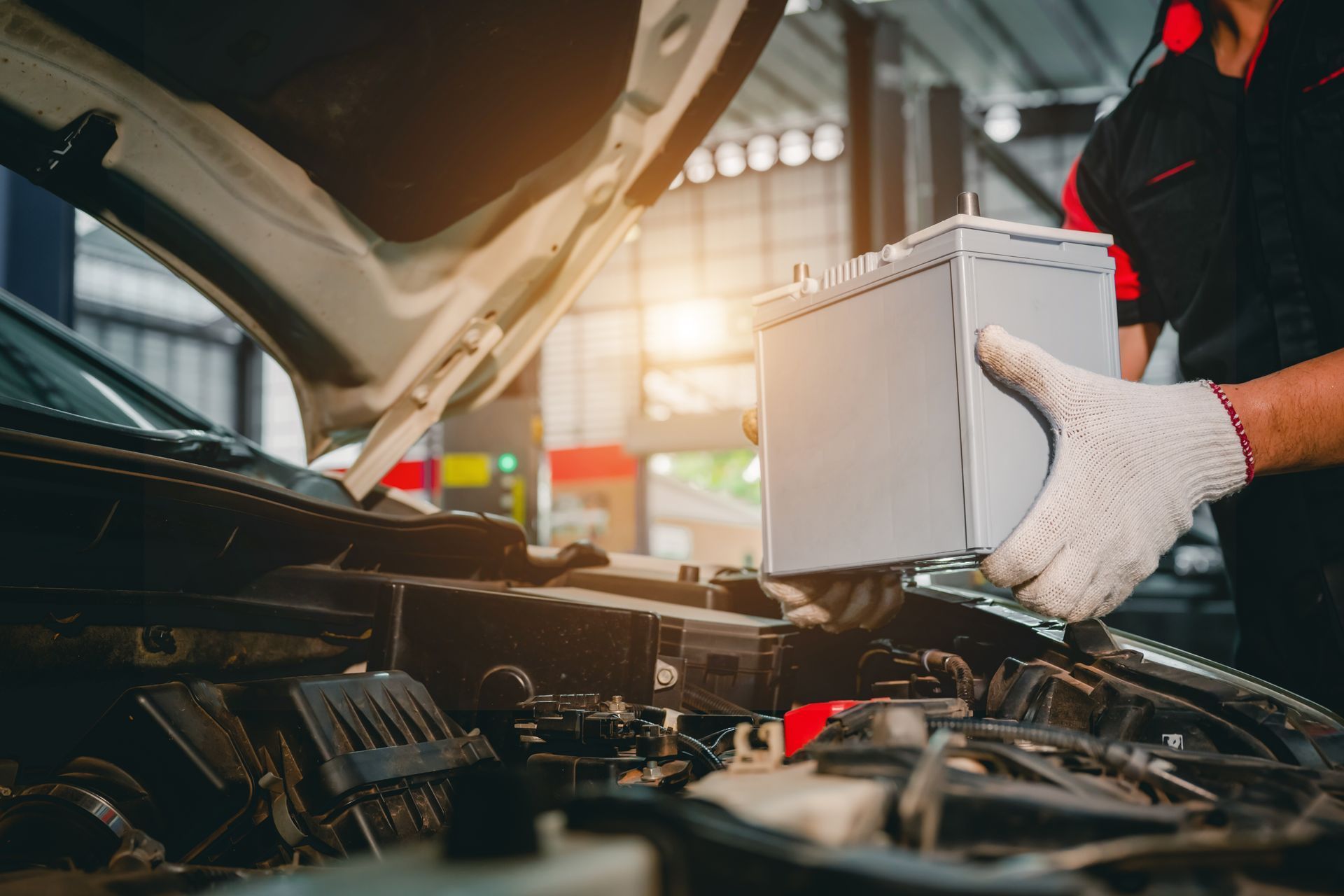
Automobiles require immense electrical power to initiate the combustion process. The battery supplies the necessary voltage to the starter motor. Without a healthy battery, the engine remains silent. Electrical components draw power from this source when the alternator rests. Modern vehicles feature complex electronics demanding constant voltage. A weakened battery struggles to support these electrical loads. Maintaining electrical health guarantees consistent vehicle operation.
Battery terminals accumulate corrosion over months of driving. This acidic buildup creates a barrier between the terminal and the battery cable. Electrical current cannot flow through heavy corrosion. A vehicle with a charged battery fails to start if the connections remain dirty. Cleaning the terminals restores proper electrical flow. Failing to address heavy corrosion leads to starter motor damage. Replacing a ruined starter is an intricate auto repair procedure.
Mechanics perform regular diagnostic tests to measure battery capacity. Voltage readings indicate the overall health of the internal cells. A battery showing low voltage requires a charging cycle or complete replacement. Ignoring diagnostic warnings leaves drivers stranded in inconvenient locations. Catching a weak battery before total failure eliminates roadside emergencies. Replacing the unit requires basic tools and minimal labor. Routine testing removes the guesswork from electrical maintenance.
Environmental extremes accelerate battery degradation. Intense heat evaporates the internal fluids necessary for chemical reactions. As fluid levels drop, the internal lead plates suffer permanent damage. Cold temperatures slow the chemical reactions, reducing available cranking power. Vehicles operating in severe climates require frequent battery inspections. Drivers must monitor the age of the unit, as most batteries degrade over time. Proactive replacement secures electrical reliability.
Consistent vehicle maintenance changes the ownership experience. Cars represent significant financial investments requiring diligent protection. The machine operates through a complex interplay of fluids, filters, friction materials, and rubber. Allowing any element to degrade initiates a chain reaction of mechanical failures. The resulting auto repair bill dwarfs the cost of preventative service. Proactive owners understand the value of a disciplined maintenance schedule. Routine servicing secures the mechanical future. When you need routine maintenance or complex diagnostics, we invite you to experience the commitment to honesty that has defined George's British American Auto Repair for over 46 years. Contact us to schedule your next auto repair appointment today.